Why Does Some Ear Wax Become So Stubborn?
Earwax normally moves gradually towards the entrance of the ear canal and falls out naturally. However, some wax becomes dry, hard or impacted and does not clear as easily.
Stubborn earwax can be more common if you:
- Naturally produce larger amounts of earwax
- Have narrow or unusually shaped ear canals
- Have a lot of hair within the ear canal
- Regularly wear hearing aids, earbuds or earplugs
- Have previously pushed wax deeper into the ear with cotton buds or other objects
- Are older, as earwax can become drier and harder with age
- Have certain skin conditions affecting the ear canal
When wax becomes compacted deeper in the canal, repeatedly trying to dig it out at home can make the blockage more difficult to manage.
What Is the Safest Way to Soften Stubborn Ear Wax at Home?
For many people with uncomplicated earwax build-up, the safest home approach is to soften the wax rather than trying to physically pull it out.
NHS guidance recommends:
- Lie on your side with the affected ear facing upwards.
- Place 2 to 3 drops of olive oil or almond oil into the ear.
- Remain lying on your side for approximately 5 to 10 minutes.
- Repeat this 3 to 4 times a day for 3 to 5 days.
Do not use almond oil if you have an almond allergy.
Earwax does not necessarily come out immediately. Once softened, pieces may gradually work their way out naturally over the following days.
If you are unsure which product is appropriate, a pharmacist can advise you about suitable earwax-softening drops.
Do not use ear drops if you have a known or suspected perforated eardrum unless an appropriate healthcare professional has advised you to do so.
For more information, read our guides to using olive oil for earwax and ear drops for blocked ears.
What Should You Never Put Inside Your Ear?
Stubborn wax can create a strong temptation to try to scoop, scrape or pull it out. This is one of the easiest ways to make an earwax blockage worse.
Cotton buds
Cotton buds often push wax further down the ear canal rather than removing it. They can also irritate or damage the delicate skin of the canal.
The NHS advises against inserting cotton buds, fingers or other objects into the ear canal to remove wax.
Hairpins, tweezers and other objects
Do not insert hairpins, keys, pen lids, metal tools, fingernails or similar objects into the ear canal.
Because the eardrum lies at the end of the canal, inserting objects without being able to see what you are doing can cause injury, bleeding or damage to the ear canal or eardrum.
Ear candles
Ear candles are sometimes marketed as a natural way of drawing wax out of the ear.
There is no good evidence that ear candles remove earwax, and they can introduce additional risks such as burns or candle material entering the ear.
Consumer ear vacuum devices
The NHS also states that there is no evidence that consumer ear vacuums remove earwax effectively.
If the wax is too impacted to clear through appropriate softening, professional examination is preferable to repeatedly trying increasingly aggressive DIY methods.
Should You Try to Flush Stubborn Ear Wax Out Yourself?
We would not recommend attempting forceful DIY irrigation or traditional ear syringing at home.
Traditional manual ear syringing is no longer recommended for adults in current NICE guidance.
Professional electronic ear irrigation is different. It uses purpose-designed equipment with controlled water pressure and may be considered by an appropriately trained practitioner where irrigation is suitable.
Other professional options include microsuction and appropriate manual removal.
The right method depends on what is found during examination, your previous ear history and the position and consistency of the wax.
What If Ear Drops Are Not Removing the Wax?
Ear drops primarily help to soften wax. They do not guarantee that a large or impacted plug will completely fall out by itself.
The NHS advises seeking further help if symptoms of earwax build-up have not cleared after around 5 days, or if the ear is badly blocked and you cannot hear.
Continuing to put objects into the ear or repeatedly trying more aggressive home remedies is unlikely to be the safest next step.
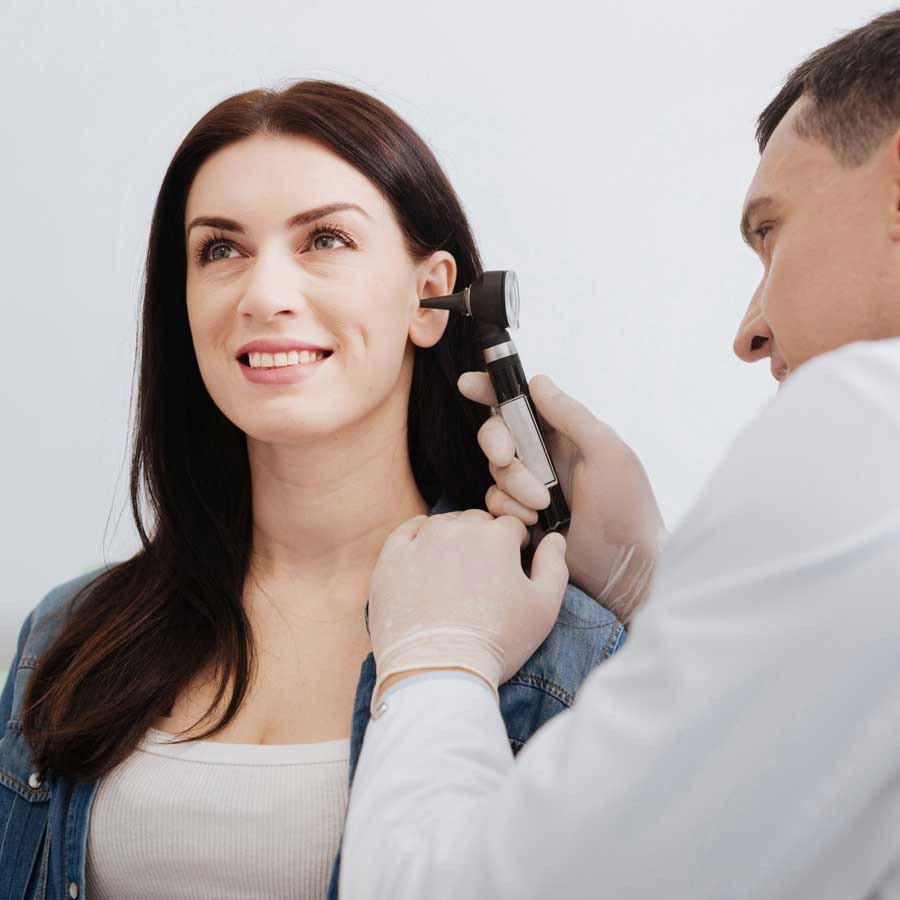
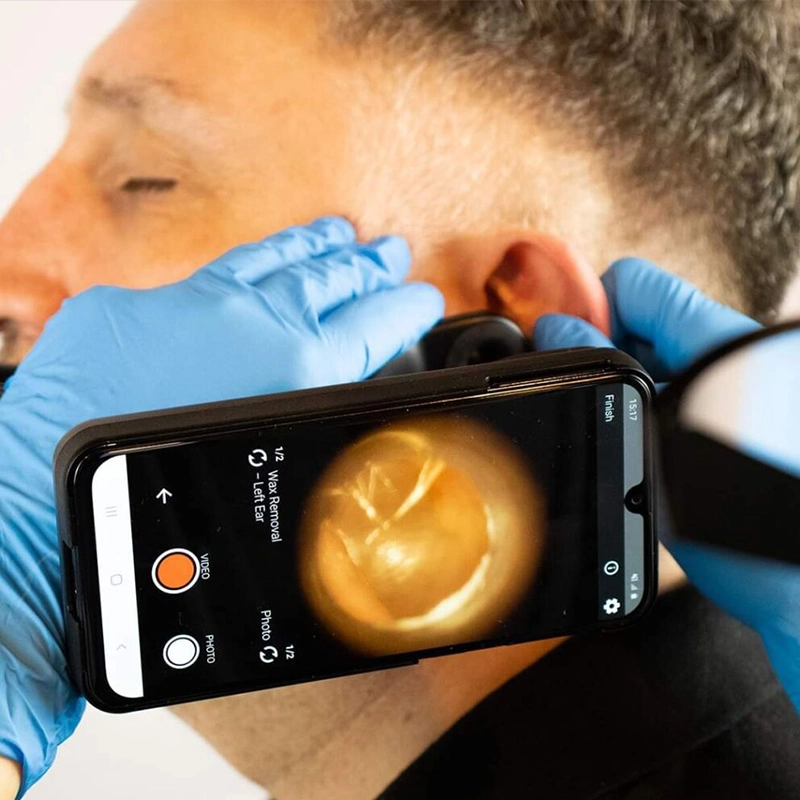
A professional ear examination can establish:
- Whether wax is actually responsible for the blocked sensation
- How much wax is present
- Whether it is soft, dry or impacted
- Where it is positioned in the ear canal
- Whether microsuction, electronic irrigation or another removal method may be appropriate
Can Stubborn Ear Wax Affect Your Hearing?
A significant plug of earwax can obstruct the ear canal and contribute to muffled or reduced hearing.
People with impacted wax may also experience:
- A blocked or full sensation in the ear
- Reduced or muffled hearing
- Ear discomfort
- Tinnitus
- Itching
- Problems using hearing aids
- Occasionally dizziness or vertigo
However, these symptoms are not unique to earwax.
If wax is responsible for the blockage, removing it may improve the blocked sensation and associated hearing difficulty. It is not appropriate to guarantee that hearing will return to normal, because hearing loss can have other causes.
When a Blocked Ear Should Not Be Treated as Ear Wax
Do not automatically assume a sudden change in hearing is caused by wax simply because your ear feels blocked.
Seek urgent medical advice through an urgent GP appointment or NHS 111 if:
- You suddenly lose hearing in one or both ears
- Your hearing becomes noticeably worse over a few days or weeks
- Hearing loss is accompanied by significant ear pain
- There is discharge coming from the ear
You should also seek appropriate medical assessment for significant bleeding, severe or persistent dizziness, symptoms following an ear or head injury, or other concerning symptoms.
Professional Removal for Stubborn or Impacted Ear Wax
If appropriate softening has not cleared the blockage, professional earwax removal may be the next step.
Current professional removal methods can include:
- Microsuction – suitable wax is removed using a small suction instrument while the ear canal is visualised.
- Electronic ear irrigation – controlled equipment introduces water into the ear canal where irrigation is clinically appropriate.
- Manual removal – certain accessible pieces of wax may be removed using suitable instruments under direct vision.
No single technique is automatically best for every ear. The appropriate method should be chosen after examining the ear and considering relevant medical and ear history.
Learn more about microsuction ear wax removal in Manchester.
Home Ear Wax Removal in Manchester
If stubborn earwax will not clear at home, Out With The Wax provides professional home earwax removal across Manchester and Greater Manchester.
Your ears are examined before treatment to establish whether significant wax is present and which removal technique is appropriate.
Our current service includes:
- Home visits from £45
- Evening appointments
- Weekend appointments
- Same-day appointments where availability allows
- Microsuction where appropriate
- Other suitable wax-removal methods where appropriate
- Aftercare advice
For more information, visit our home ear wax removal Manchester service page.
Frequently Asked Questions About Stubborn Ear Wax
How do you remove stubborn ear wax at home?
The safest first step for uncomplicated earwax build-up is usually to soften the wax rather than trying to pull it out. NHS guidance recommends 2 to 3 drops of olive or almond oil, 3 to 4 times daily for 3 to 5 days, where appropriate.
Why will my ear wax not come out?
Wax may be very dry, hard, deeply impacted or trapped because of the shape of the ear canal. Hearing aids, earbuds and repeatedly inserting objects into the ear can also interfere with the ear's natural wax-clearing process.
Should I use a cotton bud to remove hard wax?
No. Cotton buds can push wax further into the canal and may injure the ear canal or eardrum.
Do ear candles remove stubborn ear wax?
There is no good evidence that ear candles remove earwax, and they can introduce additional risks.
What happens if olive oil does not remove my ear wax?
If symptoms persist despite appropriate softening, consider speaking to a pharmacist, GP or professional earwax-removal provider rather than attempting to dig or force the wax out yourself.
Can microsuction remove hard ear wax?
Microsuction can be used for many types of earwax where it is appropriate, although very hard or deeply positioned wax may sometimes benefit from further softening before removal.
Can stubborn wax cause hearing loss?
Impacted wax can obstruct the ear canal and contribute to temporary conductive hearing difficulty. However, hearing loss has other causes, so sudden or persistent hearing changes should not automatically be assumed to be wax.
Need Help With Stubborn Ear Wax in Manchester?
If home treatment has not cleared your earwax and you would like professional assessment, Out With The Wax provides home visits throughout Manchester and Greater Manchester.
Home visits start from £45.
Evening and weekend appointments are available, with same-day visits offered where the schedule allows.
Discover Our Services for Ear Wax Removal in Manchester
Safe and Gentle Ear Wax Removal Services in Manchester
Our team of experts use safe and gentle methods to remove ear wax build-up, so you can feel comfortable and pain-free again. Book an appointment today and let us take care of you.