Best Ear Drops for Blocked Ears? Wax-Softening Options Explained
If your ear feels blocked because of earwax, ear drops may help soften or break down the wax so that it can move out naturally or become easier to remove professionally.
However, there is no single ear drop that is automatically “best” for everybody. Common options include olive or almond oil, sodium bicarbonate drops and urea hydrogen peroxide products such as Otex.
It is also important to remember that a blocked ear is not always caused by wax. Ear infections, pressure problems and other conditions can produce similar symptoms.
If you are in Manchester or Greater Manchester and your ears remain blocked, Out With The Wax provides professional home ear wax removal from £45, with evening and weekend appointments and same-day availability where possible.
Which Ear Drops Are Best for Blocked Ears?
If the blockage is caused by earwax, several types of ear drops may be useful.
| Type | How it works | Useful to know |
|---|---|---|
| Olive oil | Softens and lubricates wax | Common NHS self-care option |
| Almond oil | Softens and lubricates wax | Avoid if you have an almond allergy |
| Urea hydrogen peroxide | Helps break hardened wax into smaller pieces | Found in products such as Otex; follow the product leaflet |
| Sodium bicarbonate | Helps soften and disperse wax | Can sometimes irritate the ear canal with prolonged use |
The right choice depends on your symptoms, ear history and the product you are using. A pharmacist can advise if you are unsure.
First: Is Your Blocked Ear Actually Caused by Wax?
Earwax can cause:
- Muffled or reduced hearing
- A feeling of fullness or blockage
- Ear discomfort
- Tinnitus or ringing
- Occasionally dizziness
However, these symptoms do not prove that wax is present.
A blocked-ear sensation can also be associated with an ear infection, pressure changes, fluid behind the eardrum, a perforated eardrum or other hearing problems.
Earwax drops will only address a wax-related blockage.
Olive Oil Ear Drops for Blocked Ears
Olive oil is one of the simplest options for softening earwax.
It does not instantly dissolve or pull the wax from your ear. Instead, it softens and lubricates the wax, helping the ear's normal self-cleaning process move it towards the opening.
NHS self-care guidance for suitable adults recommends:
- Lie on your side with the affected ear facing upwards.
- Place 2–3 drops into the ear.
- Remain on your side for 5–10 minutes.
- Repeat 3–4 times a day.
- Continue for approximately 3–5 days where appropriate.
The wax may then continue to gradually move out of the ear over the following days.
For a detailed guide, read does olive oil clear ear wax?
Do Otex Ear Drops Work for Blocked Ears?
Otex is designed to treat problematic hardened earwax.
Standard Otex Ear Drops contain urea hydrogen peroxide 5%. This works differently from olive oil by helping break hardened earwax into smaller pieces so that it can disperse more easily.
The manufacturer's patient information for standard Otex normally recommends using up to five drops once or twice daily for approximately 3–4 days.
Always follow the instructions supplied with the exact Otex product you have, because different products within the range may have different directions.
Otex vs Olive Oil for Ear Wax
Neither should automatically be described as better for everybody.
Olive oil mainly softens and lubricates wax.
Otex uses urea hydrogen peroxide to help break hardened wax into smaller pieces.
Some people prefer a simple oil-based softener, while others may choose a product specifically designed to break down hardened wax.
The best option depends on the type of wax, your ear health and whether the product is suitable for you.
Does Otex Make Ear Wax Harder to Remove?
There is no good basis for saying that Otex normally makes earwax harder to remove.
Its licensed purpose is the opposite: the urea hydrogen peroxide is intended to break hardened wax into smaller pieces and make removal easier.
However, if you already have a substantial wax plug, adding any liquid to the ear can sometimes temporarily change how blocked the ear feels.
If symptoms worsen significantly or persist despite treatment, stop repeatedly self-treating and seek appropriate advice.
Why Does My Ear Feel More Blocked After Using Ear Drops?
This can sometimes happen when liquid is added to an ear canal that already contains a large amount of wax.
The temporary change in sensation does not necessarily mean that the drops have created more wax.
Possible explanations include:
- Liquid sitting around an existing wax plug
- Softened wax changing position
- A large blockage that cannot clear naturally
- The original blockage not being caused by wax
If you develop significant pain, discharge, sudden hearing loss or worsening symptoms, seek medical assessment rather than continuing to add drops.
Sodium Bicarbonate Ear Drops
Sodium bicarbonate is another commonly used wax-softening treatment.
It can help soften and disperse hardened wax and is available in purpose-made ear-drop products.
Some people may find sodium bicarbonate more irritating or drying to the skin of the ear canal, particularly if it is used for longer than recommended.
Follow the product instructions and do not continue using it indefinitely.
Earol and Other Olive Oil Ear Sprays
Some earwax products deliver medical-grade olive oil through a spray rather than a traditional dropper.
The principle is similar: the oil softens and lubricates the wax rather than physically suctioning or flushing it from the ear.
A spray can be easier for some people to administer, but it is not automatically more effective than correctly used drops.
How Long Do Ear Drops Take to Work?
This varies depending on the product and how impacted the wax is.
For example:
- Olive or almond oil: NHS guidance suggests use for around 3–5 days.
- Standard Otex: the manufacturer's leaflet usually recommends around 3–4 days.
- Other products: follow the instructions supplied with the specific preparation.
A heavily impacted wax plug may not clear completely with drops alone.
What If Ear Drops Do Not Unblock My Ear?
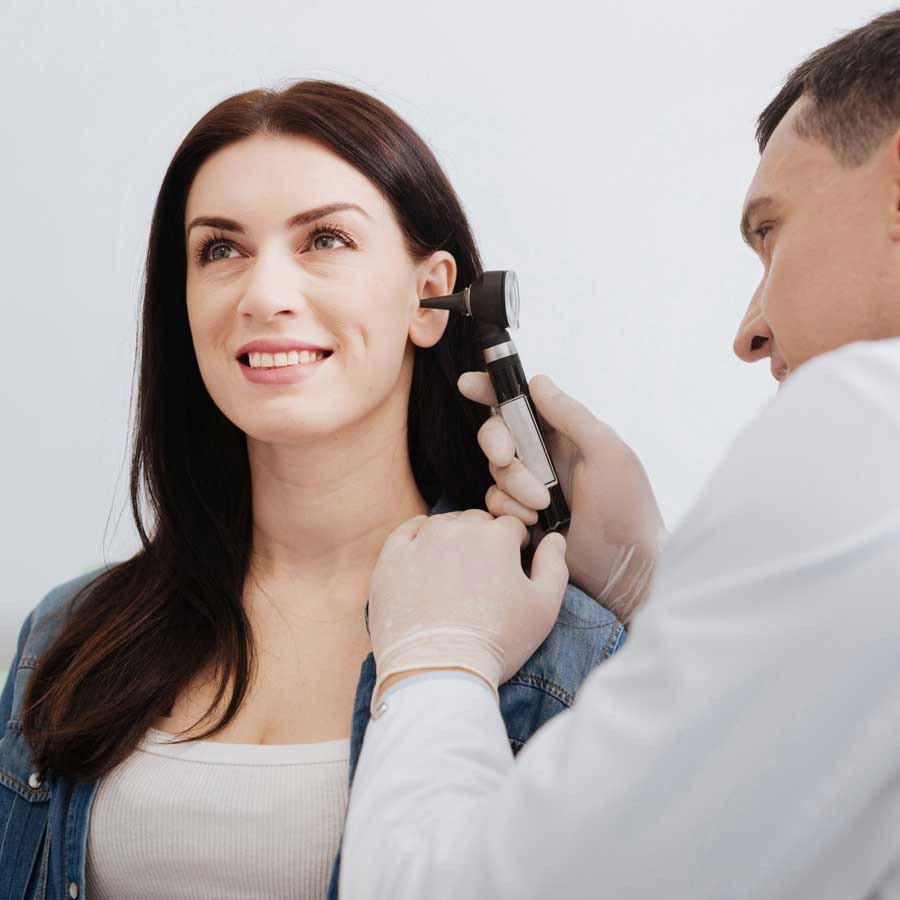
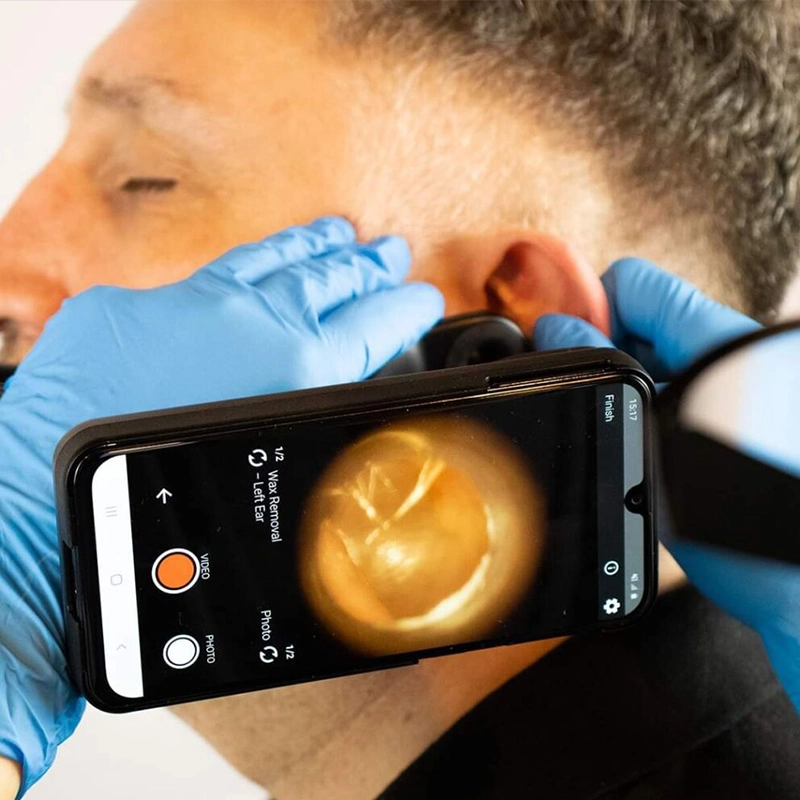
If appropriate ear drops have not improved your symptoms, the next step may be an examination of the ear rather than continually trying different products.
The examination can establish:
- Whether significant earwax is actually present
- How much wax is present
- Whether it is soft or impacted
- Whether professional removal may be appropriate
- Whether another problem may be responsible for the blockage
If wax needs professional removal, methods may include microsuction, electronic irrigation or manual removal depending on the individual ear.
When Should You Not Use Ear Wax Drops?
Do not simply use wax-removal drops in every blocked ear.
Seek appropriate advice before using them if you have:
- A known or suspected perforated eardrum
- Previous ear surgery
- Significant ear pain
- Ear discharge or bleeding
- Signs of infection
- Significant dizziness
- A foreign object in the ear
- Sudden hearing loss
Individual products can have additional contraindications, so always read the patient information supplied with the drops.
Can You Use Otex With a Perforated Eardrum?
No. The current Otex patient information states that it should not be used if the eardrum is or has been damaged.
NHS guidance also advises against using wax-removal drops if you have a perforated eardrum.
If you are unsure whether your eardrum is intact, seek appropriate advice before using earwax treatment.
Can Ear Drops Treat an Ear Infection?
Earwax-softening drops are intended for wax build-up. They are not a general treatment for ear infections.
If you have significant pain, fever, discharge, swelling or other symptoms suggesting infection, you may need medical assessment rather than wax-softening drops.
What About Blocked Ears After Flying or a Cold?
If your ears feel blocked after flying, a cold or a change in pressure, earwax may not be the cause.
Wax-softening drops will not correct pressure problems behind the eardrum.
If symptoms are persistent, severe or associated with significant hearing loss or pain, seek appropriate advice.
Do Not Use Cotton Buds to Help the Drops
It can be tempting to use a cotton bud after applying ear drops to try to remove softened wax.
Avoid doing this.
Cotton buds and other objects can push wax further down the canal and may damage the delicate skin or eardrum.
Allow softened wax to move out naturally or have it removed professionally where appropriate.
When Does Hearing Loss Need Urgent Assessment?
Do not automatically assume a sudden change in hearing is earwax.
Seek urgent medical advice through your GP or NHS 111 if you develop sudden hearing loss in one or both ears, or if your hearing has rapidly worsened over several days or weeks.
Hearing loss accompanied by ear pain or discharge also warrants appropriate medical assessment.
Professional Ear Wax Removal if Drops Do Not Work
If drops have softened the wax but your ear remains blocked, professional removal may be appropriate.
NICE recognises methods including:
- Microsuction
- Electronic ear irrigation
- Manual removal using appropriate instruments
The method chosen should depend on the condition of the ear, type of wax, medical history and any contraindications.
Traditional manual syringing is not recommended by NICE for adults.
Home Ear Wax Removal in Manchester From £45
Out With The Wax provides professional ear wax removal directly in patients' homes across Manchester and Greater Manchester.
Home visits start from £45.
Appointments include examination of the ears before deciding whether wax removal is suitable and which technique is appropriate.
Our service offers:
- Home visits throughout Manchester and Greater Manchester
- Microsuction where clinically appropriate
- Other suitable wax-removal methods where appropriate
- Evening appointments
- Weekend appointments
- Same-day appointments where available
- Aftercare advice
Learn more about our home ear wax removal service in Manchester.
How Much Does Professional Ear Wax Removal Cost?
Out With The Wax home appointments currently start from £45.
See our Manchester ear wax removal cost guide for more information.
Related Earwax Guides
If you are deciding what to try before professional treatment, these guides may also help:
Frequently Asked Questions About Ear Drops for Blocked Ears
What are the best ear drops for blocked ears?
If the blockage is caused by earwax, options include olive or almond oil, sodium bicarbonate preparations and purpose-made wax-removal products containing ingredients such as urea hydrogen peroxide. There is no single best option for everybody.
Do ear drops actually unblock ears?
They can help if earwax is causing the blockage. They will not treat every possible cause of a blocked-ear sensation.
Does Otex work for blocked ears?
Otex is designed to help remove hardened earwax and contains urea hydrogen peroxide, which breaks hardened wax into smaller pieces.
Is Otex better than olive oil?
They work differently. Olive oil primarily softens and lubricates wax, while Otex is designed to break hardened wax into smaller pieces. Neither is automatically best for everyone.
Why has Otex made my ear feel more blocked?
Liquid around an existing wax plug can sometimes temporarily change the feeling of blockage. Persistent or worsening symptoms should be assessed rather than repeatedly treated at home.
Does Otex make earwax harder?
Otex is intended to break down hardened earwax rather than make it harder. Its licensed purpose is to make problematic wax easier to clear.
How long does Otex take to work?
The standard Otex Ear Drops patient leaflet normally advises use once or twice daily for approximately 3–4 days. Follow the instructions supplied with your particular product.
Is olive oil good for blocked ears?
Olive oil can help when earwax is causing the blockage by softening and lubricating the wax. It will not treat blockages caused by other conditions.
Can I use ear drops with a perforated eardrum?
Wax-removal drops should not generally be used if you have a known perforated eardrum unless an appropriate healthcare professional has specifically advised otherwise.
What if ear drops have not worked?
If appropriate self-care has not improved your symptoms, having the ear examined can establish whether wax remains and whether professional removal or another form of assessment is needed.
How much does home ear wax removal cost in Manchester?
Out With The Wax home visits currently start from £45.
Still Have Blocked Ears After Using Ear Drops?
If suitable ear drops have not resolved the blockage, an ear examination may help determine whether impacted wax remains.
Out With The Wax provides professional home ear wax removal throughout Manchester and Greater Manchester.
Home visits start from £45, with evening and weekend appointments and same-day availability where possible.
Discover Our Services for Ear Wax Removal in Manchester
Safe and Gentle Ear Wax Removal Services in Manchester
Our team of experts use safe and gentle methods to remove ear wax build-up, so you can feel comfortable and pain-free again. Book an appointment today and let us take care of you.